Jason Nunes

Experience Designer
Story Teller
Wearer of Hats

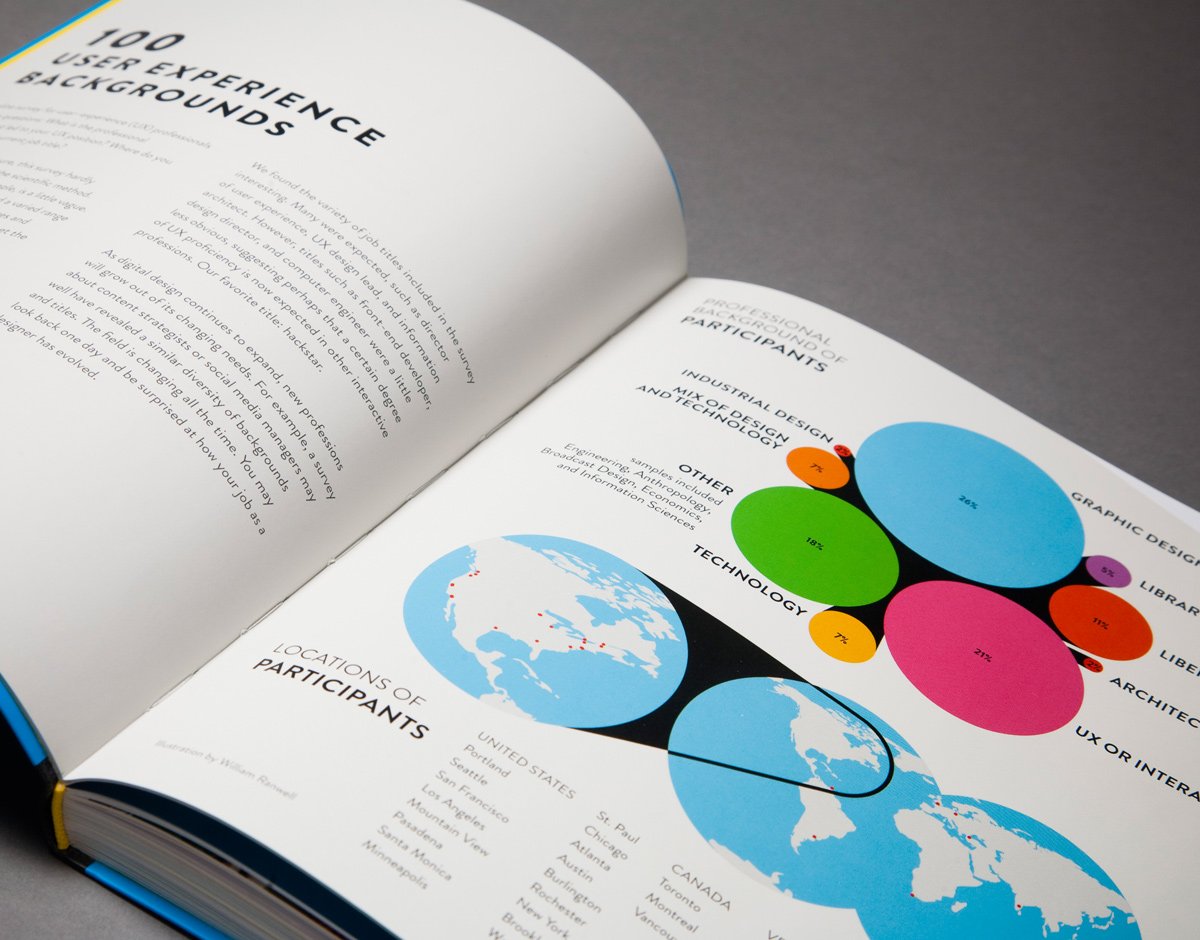
Design Sample:

About Jason:

Jason

Jason is a talented usability specialist with over 12 years of interactive design experience in software, web, mobile, and device design. He has extensive experience in all phases of user-centered design– Exploratory, Generative, and Evaluative – leading, coordinating, and conducting usability activities; designing and evaluating user interfaces, and managing projects.

Jason was the lead designer for Nokia's MOSH, a mobile content sharing network, and the recent redesign of ABCNews.com. Jason has led projects for Vogue, ABC, Nokia, Monster, Orange, CNN, ESPN, NPR, MTV, and the BBC.

Jason has over a decade of film & TV experience. He is proud to have worked on some of the best straight to video horror films to come out of the 1990s– Necronomicon, Return of the Living Dead III, and Leprechaun 2– just to name a few.

Jason worked as a broadcast designer with Varitel on projects ranging from ILM Commercial productions Clio Award winning "First Union" commercials, to Eidos Interactive's "E3 Video Wall."

Jason is an award-winning screenwriter, and an actor. Jason has had 2 feature screenplays optioned, and numerous short films produced. He is the head writer of the interactive soap opera, podOpera Brooklyn.

Blog:

Saturday, March 20, 2010

Back from SXSW - Design for the Dark Side was a blast


We are back from SXSW. The panel is complete. A good time was had by all.

Here are some tweets by some folks who attended (thanks for the great feedback, ya'll), starting with my personal favorite:

@katerutter Both loving and hating the messages in the #dfds panel, which is totally the point. So glad I got up for this.

@nicolemckinney #dfds - great panel. Surprised that many of the “dark” examples aren’t in the future, they are now. Something to think about #icsx

@meanica #dfds - fascinating panel from a conceptual aspect. thank you

@wd5iyt #dfds outstanding panel. thanks

@bunkywu Great panel on designing for the dark side and dystopias #dfds.

And here is my part of the preso:
DesignForTheDarkSide.pdf

Saturday, March 13, 2010

Come see: SXSW interactive panel - Design for the Dark Side


Design usually focuses on making the world around us better - optimism often rules the roost in our industry. But what might happen if we forced ourselves to design for a catastrophic or dystopian future? Can we learn something by designing for a darker side of human experience?

Location
Tuesday, March 16 at 09:30 AM

Wednesday, March 10, 2010

Rest in peace Cory Haim

I must admit that I wasn't shocked to hear that Cory Haim died on Wednesday, but it still makes me sad.

I worked on a Cory Haim film in the mid 90s--Fast Getaway II--which starred Cory, Sarah Buxton, Leo Rossi, and Cynthia Rothrock.

Here's me dropping a pancake that Cory was supposed to have flipped onto Sarah's head in one scene (ah, the magic of Hollywood... well, or in this case Tucson, AZ):


I was the property master. An added responsibility was watching Cory's dog when he was on set:


Due to the low budge nature of the film, the crew and actors all stayed in the same grungy roadside motel. And since I was responsible for product placement--primarily a Sega Genesis--a lot of the crew and Cory would hang out in my room at night. He was a good kid, which is ridiculous to say because he was only 2 years younger than me. But he was sweet, and lonely, and sad, and obviously damaged. As so many actors who become famous young are. I left Hollywood pretty soon after that.

I actually ran into Cory again, years later, randomly at a comic convention in Northern California. I was shocked that he actually remembered me. He said he wanted to hang out again. Asked me if I had a room in the hotel. Maybe we could play some video games. His handler, a severe Russian woman, wasn't having it. It freaked me out, but I remember feeling that sadness again. Poor kid.

Those 2 words really sum it up for me. Poor kid.

Friday, March 05, 2010

My new favorite photo blog!

http://dorkyearbook.com/

Hasn't been updated in 4 months, but I sure hope they continue. I'll have to try to dig up pics of me on my dad's old Heathkit with the 60 character wide, 1 character high screen, or playing D&D with the guys until 3 in the morning hopped up on Mountain Dew.

Those were the days...

Saturday, February 27, 2010

Experience Maps

I'm a sucker for this kind of documentation, which illustrates a user type, and tells the story of their engagement with a brand or experience. But then I always have been a map geek.

Here are some great experience maps from Canadian UX agency nForm:


Now, just because I'm a sucker for docs like this doesn't mean that everyone else is. So, what's your opinion? Do they serve a purpose? Are they valuable? What are other ways that we communicate this information to our clients?

What do you think?

Friday, February 19, 2010

Where are the tweens & teens?

Ever since a study by Pew Internet and American Life Project indicated that teens and tweens have been losing interest in blogging, particularly Twitter--basically spurning the desktop screen for their mobile device screen--I've had repeated client meetings whose primary user base are tweens and teens where twitter ideas get shot down because.

And, yup, there's definitely some compelling data to back up that belief:

8% of internet users ages 12-17 use Twitter.2 This makes Twitter as common among teens as visiting a virtual world, and far less common than sending or receiving text messages as 66% of teens do, or going online for news and political information, done by 62% of online teens.
That said this is evidence that tweens and teens are still using Twitter, but it's mostly young adults?
Using different wording, we find that 19% of adult internet users use Twitter or similar services to post short status updates and view the updates of others online.

Young adults lead the way when it comes to using Twitter or status updating. One-third of online 18-29 year olds post or read status updates.

So, if you've got tween/teen users, where should you focus your energy anyway? Mobile certainly. But what about online dollars? Where should that go? Tweens and teens are definitely still using the internet. AND still using Twitter. Albeit not in the same numbers as young adults.

Teens are not using Twitter in large numbers. While teens are bigger users of almost all other online applications, Twitter is an exception.
Here are some nice graphs from pingdom showing where some of those elusive tweenagers are.

Average social network age distribution

Age distribution on social network sites

Social network ages

Guess I'd better start learning more about Bebo...

What do you guys think? Are their other reasons for this? Should we be taking into account where these users are coming from? Bebo has more popularity in Ireland, New Zealand, and the UK than it does in the US. Are American tween/teens different from their counterparts across the pond?

Thoughts?

Friday, January 29, 2010

Assumptions we didn't even know we had...

A great mini-Ted talk by Derek Sivers: